Cyborg: A Bold Font for Modern Creativity
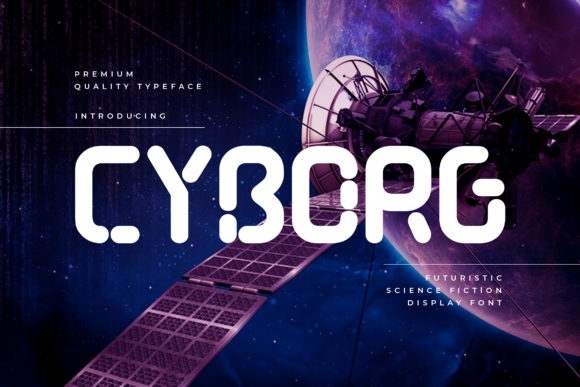
Cyborg is more than just a font—it’s a visual statement. With its futuristic and bold display style, Cyborg captures the essence of innovation and abstract design. It’s not merely about typography; it's about how visual identity can elevate creative output in an increasingly digital world. Whether you're designing a brand, crafting a presentation, or building a website, Cyborg brings a unique aesthetic that stands out in a sea of conventional fonts.
The Power of Abstract Shapes
At its core, Cyborg celebrates abstract shapes in all their eclectic beauty. The font features sharp angles, dynamic curves, and a sense of motion that evokes both technology and art. This makes it ideal for projects where originality and impact are key. From logos to headlines, Cyborg adds a layer of sophistication and modernity that aligns with contemporary design trends.
Its versatility lies in its ability to adapt to different contexts. In a creative process, using Cyborg can spark new ideas by challenging traditional design norms. For example, when designing a poster or infographic, incorporating Cyborg as a headline can immediately draw attention and set the tone for the rest of the content.
Where Does Cyborg Fit in a Broader Process?
Cyborg is not limited to just being a decorative element. It plays a role in the entire workflow—from initial planning to final execution. When starting a project, choosing the right font can influence the overall look and feel. Using Cyborg early on helps establish a strong visual identity that can guide other design decisions.
During the development phase, Cyborg can be used to highlight key sections or data points. Its bold nature ensures that important information stands out, making it especially useful for reports, presentations, and marketing materials. After the project is complete, Cyborg can continue to serve as a branding tool, reinforcing consistency across all platforms.
Integration with Other Tools and Resources
One of the strengths of Cyborg is its compatibility with various tools and platforms. It works seamlessly with design software like Adobe Illustrator, Photoshop, and Canva, as well as web development tools such as HTML, CSS, and WordPress. This makes it accessible to both designers and developers, allowing for a smooth integration into existing workflows.
When working with teams, Cyborg can help maintain a cohesive brand image. By using it consistently across different assets—such as social media posts, email templates, and websites—you ensure that your message remains clear and impactful. This level of consistency is crucial for building trust and recognition among your audience.
Practical Implementation Tips
To get the most out of Cyborg, consider the following tips:
- Use it strategically: Reserve Cyborg for headings, titles, and key elements rather than body text. This ensures it maintains its visual impact without overwhelming the reader.
- Pair with complementary fonts: Combine Cyborg with clean, readable fonts for body text to create a balanced and professional look.
- Test across devices: Ensure that Cyborg renders correctly on different screens and platforms to maintain consistency in your designs.
- Consider accessibility: While Cyborg is visually striking, make sure it remains legible for all users, including those with visual impairments.
By following these best practices, you can maximize the effectiveness of Cyborg in your creative work while maintaining a high standard of quality and usability.
Real-World Use Cases
Cyborg has found a place in a variety of real-world applications. For instance, entrepreneurs use it to create eye-catching landing pages that capture attention quickly. Marketers incorporate it into campaigns to stand out in crowded digital spaces. Educators use it to design engaging lesson plans and presentations that resonate with students.
In the world of productivity, Cyborg can enhance task management tools by adding a touch of personality to to-do lists, project timelines, and goal-setting visuals. Its bold nature makes it perfect for highlighting priorities and deadlines, helping users stay focused and motivated.
For hobbyists and creators, Cyborg offers a way to express individuality. Whether you're designing a personal blog, a portfolio, or a social media profile, Cyborg can help you showcase your unique style and vision.
Factors to Consider When Integrating Cyborg
When integrating Cyborg into your workflow, there are several factors to keep in mind:
- Preparation: Before using Cyborg, assess how it fits within your overall design strategy. Consider the purpose, audience, and context of your project.
- Compatibility: Ensure that Cyborg works well with your chosen tools and platforms. Test it in different environments to avoid any technical issues.
- Usability: Prioritize readability and accessibility. Avoid overusing Cyborg in ways that could confuse or distract your audience.
- Organization: Keep your design assets organized so that Cyborg can be easily accessed and applied throughout your workflow.
- Efficiency: Streamline your process by using Cyborg in ways that save time and enhance productivity.
- Consistency: Maintain a consistent application of Cyborg to reinforce brand identity and user experience.
- Quality Control: Regularly review how Cyborg is being used to ensure it meets your standards and goals.
- Long-Term Use: Think about how Cyborg will fit into your long-term design and business strategies. Will it remain relevant and effective over time?
By considering these factors, you can ensure that Cyborg becomes a valuable and sustainable part of your creative toolkit.
Conclusion
Cyborg is more than a font—it’s a powerful tool for expression and innovation. Its bold, futuristic design makes it ideal for a wide range of applications, from branding to education to personal projects. By understanding how to integrate Cyborg into your workflow, you can elevate your creative output and make a lasting impression in a competitive digital landscape.