Last Zombie: A Strategic Font for Creative and Branding Success
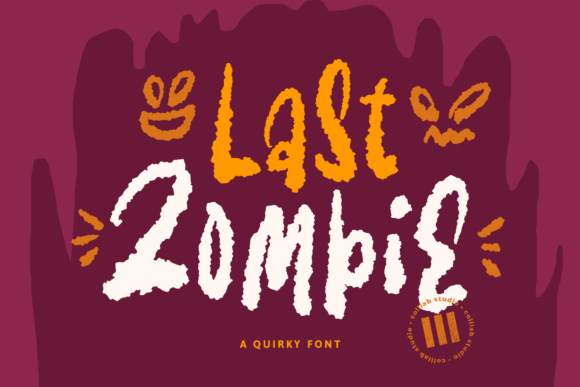
When it comes to visual communication, the right font can make all the difference. Last Zombie is more than just a display font—it's a strategic tool that brings unique character, personality, and energy to your content. Designed with an eye for creativity and impact, Last Zombie offers a quirky, undead aesthetic that’s perfect for Halloween-themed projects, branding, or any creative endeavor that benefits from a bold and memorable visual identity.
The Power of a Unique Visual Identity
In a world where attention spans are short and competition is fierce, standing out is essential. Last Zombie provides a distinctive visual signature that can help your brand or project cut through the noise. Its quirky, undead design adds an element of fun and intrigue, making it ideal for campaigns that aim to engage audiences in a playful yet professional manner.
This font isn't just about looks—it's about strategy. When used intentionally, Last Zombie can reinforce your brand's voice, support your messaging, and create a lasting impression. Whether you're designing a Halloween poster, crafting a newsletter, or building a website, Last Zombie can elevate your content and make it more memorable.
Why Last Zombie Matters for Branding and Creativity
Last Zombie is not just another decorative font—it's a versatile tool that can be strategically applied across various platforms and purposes. Its extra dingbats and multilingual support add layers of functionality, making it suitable for both local and global audiences. This makes it especially valuable for businesses that operate in multiple markets or need to communicate across different languages.
One of the key advantages of Last Zombie is its ability to blend creativity with practicality. It supports a wide range of use cases, from print materials to digital content, ensuring that your message remains consistent and impactful. For marketers, educators, and creators, this font offers a way to enhance engagement without sacrificing clarity or professionalism.
Additionally, the font's unique style can be leveraged to tell stories or convey emotions. Whether you're creating a horror-themed website, a seasonal campaign, or a themed social media post, Last Zombie helps set the tone and atmosphere. This emotional resonance can lead to stronger audience connections and improved brand recall.
Strategic Use Cases for Last Zombie
Understanding when and how to use Last Zombie is crucial for maximizing its value. Here are some strategic scenarios where this font can shine:
- Halloween-Themed Projects: From invitations to promotional materials, Last Zombie adds a spooky yet stylish touch that aligns perfectly with the season.
- Branding Campaigns: Use it to create a memorable logo, tagline, or website header that stands out in a crowded market.
- Social Media Content: Incorporate Last Zombie into posts, stories, or ads to capture attention and drive engagement.
- Print Materials: Whether it's a flyer, brochure, or poster, this font enhances the visual appeal and memorability of your printed work.
- Website Design: Use Last Zombie for headers, call-to-action buttons, or special promotions to create a dynamic user experience.
Each of these use cases requires thoughtful planning and clear objectives. Before implementing Last Zombie, consider your target audience, brand voice, and overall goals. The font should complement your message rather than overshadow it.
Planning Tips for Effective Font Integration
Integrating Last Zombie into your design strategy requires careful planning. Start by defining your purpose and identifying where the font will have the most impact. Consider the following tips:
- Define Your Goals: What do you want to achieve with Last Zombie? Is it to increase engagement, build brand recognition, or create a specific mood?
- Test Different Applications: Experiment with using Last Zombie in various contexts to see how it performs. This helps identify the best fit for your needs.
- Ensure Readability: While Last Zombie is visually striking, ensure that it remains legible in all formats and sizes. Avoid overusing it in critical sections like body text.
- Consider Context: Think about the environment in which the font will be used. Will it be viewed on a mobile device, a billboard, or a printed document?
- Balance with Other Fonts: Use Last Zombie as a highlight rather than the primary font. Pair it with clean, readable fonts for optimal results.
By approaching Last Zombie with intention and strategy, you can avoid common pitfalls and ensure that it serves its intended purpose effectively.
Risks of Using Last Zombie Without Clear Intent
While Last Zombie has the potential to elevate your content, it's important to recognize the risks of using it without clear goals or context. One of the biggest risks is overuse. If applied too broadly or in inappropriate settings, the font can become distracting or unprofessional.
Another risk is mismatched messaging. If your brand or project doesn't align with the tone and style of Last Zombie, it can create confusion or misinterpretation. For example, using this font for a serious business report may come off as unprofessional or inappropriate.
Additionally, relying solely on Last Zombie without considering other design elements can lead to a lack of balance. A strong visual identity should be supported by cohesive typography, color schemes, and layout choices.
Long-Term Value and Decision-Making Guidance
When evaluating whether to incorporate Last Zombie into your design strategy, consider its long-term value. Does it support your brand's identity? Does it contribute to your communication goals? And does it provide a return on investment in terms of engagement and brand recognition?
Make decisions based on data and real-world outcomes. Track how your audience responds to content featuring Last Zombie, and adjust your approach accordingly. This ensures that you're not just using the font for aesthetics, but for meaningful impact.
Ultimately, Last Zombie is a powerful tool when used with intention. By understanding its strengths, limitations, and strategic applications, you can harness its potential to create compelling, memorable, and effective communication across your projects and platforms.