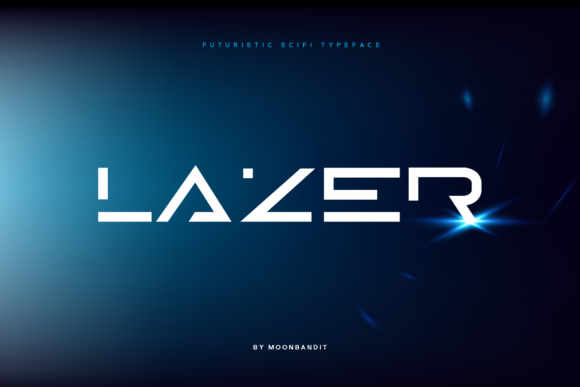
Lazer: A Minimalist Font That Adds Sharpness to Your Design
When it comes to typography, the right font can make or break a design. Lazer is a minimalist yet sharp display font that stands out for its clean lines and elegant structure. Designed to celebrate abstract shapes in all their eclectic beauty, Lazer offers a unique blend of modern simplicity and visual impact. Whether you're a designer, marketer, or content creator, understanding how to use Lazer effectively can elevate your work and help your message cut through the noise.
Why You Should Consider Using Lazer
Lazer isn't just another font—it's a statement. Its minimalist approach allows it to remain legible even at smaller sizes, while its sharp edges give it a bold, contemporary feel. This makes it ideal for headlines, logos, and any design where clarity and visual interest need to coexist.
For creators who value both aesthetics and functionality, Lazer offers a versatile solution. It works well across various mediums, from digital platforms like websites and social media to print materials such as brochures and posters. Its adaptability means it can fit into a wide range of creative projects without losing its distinctive character.
Common Mistakes When Choosing and Using Lazer
While Lazer is a powerful tool, many users make mistakes when selecting or applying it. One common error is using it inappropriately. For example, some people apply Lazer to body text instead of just headlines. This can lead to readability issues, especially on smaller screens or in low-light environments.
Another mistake is not considering the context in which Lazer will be used. If you're designing a website or app, ensure that the font size and spacing are optimized for user experience. Ignoring these details can result in a poor user experience and reduce engagement with your content.
Additionally, some users overlook the importance of pairing Lazer with complementary fonts. While Lazer is visually striking on its own, combining it with other typefaces can create a more balanced and professional look. Failing to do so may make your design feel overly stylized or inconsistent.
How These Mistakes Affect Your Work
Misusing Lazer can have several negative consequences. Poor readability can frustrate users and lead to higher bounce rates on websites. Inconsistent design choices may also make your brand appear unprofessional or unreliable.
Furthermore, using Lazer in ways that don't align with your brand identity can confuse your audience. A font should reflect the tone and values of your business or project. If Lazer doesn't match that, it could undermine your messaging and reduce the effectiveness of your communication.
Practical Tips for Using Lazer Effectively
To avoid these pitfalls, start by defining the purpose of your design. Is Lazer meant to be a headline, a logo, or part of a larger layout? Once you know its role, you can choose the appropriate size, weight, and spacing.
Next, consider your audience. Are they tech-savvy users who prefer minimalism, or are they more traditional? Understanding your target demographic will help you determine whether Lazer is the right choice for your project.
Finally, always test your design in different environments. View your content on various devices and screen sizes to ensure that Lazer remains readable and visually appealing. This step is crucial for maintaining consistency and usability across all platforms.
What to Check Before Using Lazer
Before finalizing your design with Lazer, there are a few key factors to evaluate:
- Legibility: Does Lazer remain clear and easy to read at the intended size?
- Compatibility: Will Lazer work well with other elements of your design, such as colors and images?
- Accessibility: Is Lazer suitable for users with visual impairments or colorblindness?
- License: Have you reviewed the licensing terms to ensure proper usage?
- Performance: Does using Lazer affect the loading speed of your website or application?
By addressing these considerations, you can ensure that Lazer enhances your design without compromising quality or user experience.
Conclusion
Lazer is more than just a font—it's a design philosophy that emphasizes simplicity, clarity, and visual impact. By understanding its strengths and limitations, you can use it effectively to elevate your creative projects. Avoid common mistakes, test your designs thoroughly, and always consider your audience. With the right approach, Lazer can become a valuable asset in your toolkit, helping you stand out in a crowded digital landscape.