Fonia: A Versatile Lettered Display Font for Modern Design
Fonia is a simple and neat lettered display font that has gained attention for its clean lines, readability, and visual appeal. Designed with both aesthetics and functionality in mind, Fonia offers a fresh alternative to traditional display fonts, making it a compelling choice for a variety of creative projects. Whether you're working on branding materials, website headers, or editorial layouts, understanding the strengths and limitations of Fonia can help you determine if it aligns with your design goals.
What Makes Fonia Stand Out?
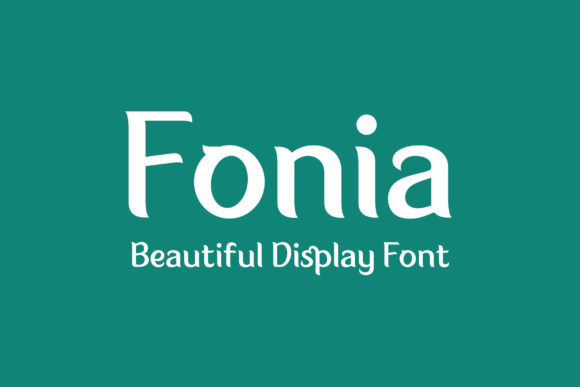
Fonia is not just another display font—it's a carefully crafted typeface that balances elegance with approachability. Its design philosophy centers around clarity and simplicity, which makes it particularly effective in digital and print environments. The letterforms are well-proportioned, with consistent spacing and a modern feel that appeals to a broad audience.
One of the most notable features of Fonia is its versatility. It performs well in both large and small sizes, maintaining legibility even when used at smaller point sizes. This adaptability is especially valuable for designers who need a font that can transition smoothly between different contexts, such as from a logo to body text.
Key Characteristics of Fonia
- Clean and Minimalist: Fonia’s design is rooted in minimalism, with sharp angles and clear contours that make each letterform easy to read.
- Consistent Weight: The font maintains a uniform weight across all characters, contributing to a sense of balance and harmony.
- Good Spacing: The generous spacing between letters ensures that text remains legible and visually pleasing, even in dense blocks.
- Modern Aesthetic: Fonia’s contemporary look makes it suitable for a wide range of applications, from digital interfaces to print media.
- Scalable Performance: It works well across different screen sizes and resolutions, ensuring consistent appearance on various devices.
Practical Use Cases for Fonia
Fonia’s clean and professional appearance makes it ideal for a number of real-world applications. For instance, it can be an excellent choice for branding materials, where clarity and visual impact are essential. Companies looking to create a modern, trustworthy brand identity may find Fonia to be a strong contender for their logo or tagline.
In the realm of web design, Fonia can serve as a great header font. Its readability at larger sizes ensures that headlines remain clear and engaging without sacrificing style. Additionally, its performance on different platforms means that it can be reliably used in responsive designs without compromising quality.
For print publications, Fonia’s clean lines and consistent spacing make it a good fit for titles, subheadings, and even body text in certain contexts. However, it’s important to note that while Fonia works well in short bursts of text, it may not be the best choice for long-form content due to its relatively limited character set and lack of extended ligatures.
Who Benefits Most from Fonia?
Fonia is particularly well-suited for professionals who value both aesthetics and functionality. Marketers and entrepreneurs may find it useful for creating eye-catching visuals that communicate brand values effectively. Bloggers and freelancers might appreciate its versatility for use in social media posts, email newsletters, and other digital content.
Additionally, educators and publishers could benefit from using Fonia in instructional materials or editorial layouts where clarity and visual appeal are equally important. Its neutral tone also makes it a good option for creative hobbyists who want to experiment with typography without overcomplicating their designs.
Strengths and Limitations
Like any typeface, Fonia has its strengths and potential limitations. One of its greatest advantages is its clean, modern aesthetic that stands out in a crowded design landscape. Its readability and versatility make it a practical choice for a wide range of applications.
However, there are a few considerations to keep in mind. Fonia’s limited character set may pose challenges for users who require special characters or extended language support. Additionally, while it performs well in short texts, it may not be the best option for long-form content due to its minimalist design, which can sometimes feel too sparse.
Another factor to consider is its compatibility with different platforms and software. While Fonia is generally well-supported, it’s always a good idea to test it across multiple systems to ensure consistency in rendering.
Real-World Examples
To better understand how Fonia can be applied in practice, let’s consider a few examples. Imagine a startup launching a new product. Their branding team might choose Fonia for their logo and website headers to convey a sense of professionalism and innovation. The font’s clean lines and modern look would help reinforce the brand’s image in a competitive market.
Another example could be a blog post about lifestyle and design. The author might use Fonia for the headline and subheadings to draw attention while keeping the body text in a more readable serif or sans-serif font. This combination allows for a balanced visual hierarchy that guides the reader through the content effectively.
For educational materials, Fonia could be used in slide decks or handouts to highlight key points. Its clarity and neutrality make it an excellent choice for presentations where the focus is on the message rather than the typography itself.
Recommendations and Final Thoughts
If you’re looking for a display font that combines style with functionality, Fonia is definitely worth considering. It’s particularly well-suited for projects that require a modern, clean look without sacrificing readability. However, it’s important to evaluate your specific needs before making a decision.
For those who prioritize versatility and clarity, Fonia offers a solid foundation. But if your project requires more complexity or specialized features, you may want to explore other options. Ultimately, the right font depends on your goals, audience, and the context in which it will be used.
Whether you’re designing for a brand, creating content for a blog, or developing educational materials, Fonia provides a thoughtful and effective solution. With its clean design and practical application, it’s a font that can enhance your creative work while maintaining a strong sense of professionalism and approachability.