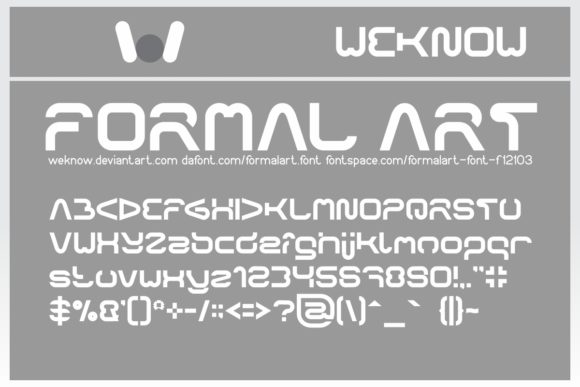
Formal Art: A Simple Yet Unique Display Font for Creative Expression
In the world of design and typography, the right font can make all the difference. Formal Art is a display font that stands out not just for its visual appeal but also for its versatility and ease of use. Whether you're creating logos, branding materials, or digital content, Formal Art offers a clean, elegant look that can elevate your creative projects. This article explores what Formal Art is, how it can benefit your work, and practical ways to integrate it into your design toolkit.
What Is Formal Art?
Formal Art is a typeface designed with a focus on clarity and sophistication. It features crisp lines, balanced proportions, and a refined aesthetic that makes it ideal for both print and digital media. Unlike more stylized or decorative fonts, Formal Art maintains a sense of order and professionalism while still offering a unique visual identity.
Its structure is reminiscent of classic serif and sans-serif fonts, yet it introduces subtle flourishes and stylistic elements that give it a distinct character. This balance between tradition and innovation makes Formal Art a versatile choice for a wide range of applications, from formal invitations to modern website headers.
Why Use Formal Art in Your Design?
Designers often face the challenge of finding a font that is both visually appealing and functional. Formal Art addresses this by offering a solution that is easy to read, aesthetically pleasing, and adaptable to various contexts.
- Clean and Professional: The structured design of Formal Art ensures that your text remains legible even at smaller sizes, making it suitable for both body copy and headings.
- Versatile Application: Whether you're working on a brochure, social media post, or a presentation, Formal Art can be tailored to fit the tone and purpose of your project.
- Unique Visual Identity: While maintaining readability, Formal Art adds a touch of personality and style that can help your content stand out in a crowded digital landscape.
Challenges in Typography and How Formal Art Helps
One of the biggest challenges in typography is choosing a font that complements the overall design without overwhelming the message. Many designers struggle with fonts that are either too bold or too subtle, leading to a lack of impact or poor readability.
Formal Art helps overcome these challenges by providing a middle ground. Its structured yet artistic nature allows it to blend seamlessly with other design elements while still drawing attention where needed. For instance, using Formal Art as a headline can create a strong focal point without sacrificing clarity.
Additionally, Formal Art is optimized for both screen and print, ensuring consistent performance across different mediums. This reliability is especially important for professionals who need their designs to maintain quality regardless of the platform.
Practical Applications of Formal Art
The beauty of Formal Art lies in its adaptability. Here are some real-world examples of how it can be used effectively:
- Branding: Companies looking to establish a professional yet distinctive brand identity can use Formal Art in their logo, website, and marketing materials.
- Event Invitations: The elegance of Formal Art makes it an excellent choice for wedding invitations, corporate events, or special occasions.
- Digital Content: From blog headers to social media posts, Formal Art can enhance the visual appeal of your online presence.
- Print Materials: Brochures, flyers, and posters can benefit from the refined look of Formal Art, helping to convey professionalism and attention to detail.
How to Integrate Formal Art Into Your Projects
Whether you're a designer, marketer, or content creator, incorporating Formal Art into your workflow can be straightforward. Here are some tips for getting started:
- Choose the Right Platform: Ensure that the platform or software you're using supports Formal Art. Most design tools like Adobe Illustrator, Canva, and Figma offer access to a wide range of fonts, including Formal Art.
- Test Different Sizes: Always test your chosen font at various sizes to ensure it remains readable and visually appealing. Formal Art performs well in most scenarios, but it's always good to double-check.
- Pair with Complementary Fonts: While Formal Art is elegant on its own, pairing it with a secondary font can add depth and contrast to your design.
- Use for Key Elements: Save Formal Art for headlines, titles, and other prominent text elements. It's best suited for areas where you want to draw attention without compromising readability.
Considerations for Different Users
Depending on your role and goals, the way you approach Formal Art may vary. For example:
- Designers: Focus on how Formal Art can enhance the overall aesthetic of a project while maintaining functionality.
- Marketers: Use Formal Art to create a cohesive brand identity that resonates with your target audience.
- Content Creators: Leverage Formal Art to make your content more engaging and visually appealing, especially on platforms like Instagram or LinkedIn.
Regardless of your background, the key is to use Formal Art thoughtfully and intentionally. It's not just about aesthetics—it's about communication, clarity, and making an impact.