Stoneyard: A Standout Display Font for Creative Expression
Stoneyard is a display font that stands out in the crowded world of typography. Designed with both aesthetics and functionality in mind, it offers a unique visual identity that can elevate creative projects across multiple platforms. Whether you're working on branding materials, website headers, or print publications, Stoneyard has the potential to make a strong impression.
Aesthetic Appeal and Design Philosophy
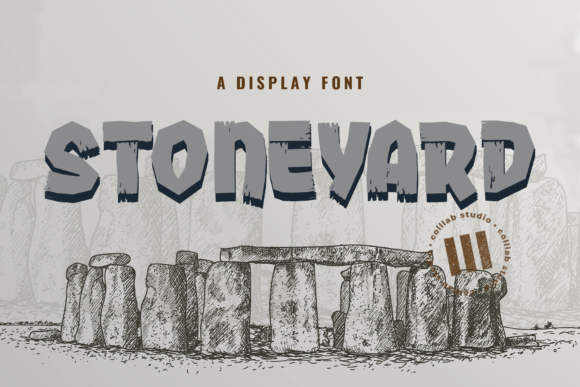
At first glance, Stoneyard captures attention with its bold, stylized letterforms. The font combines elements of modern design with a touch of vintage charm, creating a distinctive look that feels both contemporary and timeless. Each character is crafted with precision, ensuring clarity even at smaller sizes, which is essential for readability in digital contexts.
The design philosophy behind Stoneyard emphasizes versatility and adaptability. It's not just a decorative font; it's built to work well in various environments. This makes it an excellent choice for designers who want to add visual interest without sacrificing legibility.
Key Characteristics and Strengths
One of the most notable features of Stoneyard is its clean, geometric structure. This provides a strong foundation for creative expression while maintaining a level of professionalism that appeals to a wide range of audiences. The font’s consistent stroke width and balanced proportions contribute to its overall harmony and visual appeal.
Stoneyard also excels in terms of weight variation. It offers multiple weights, including light, regular, medium, and bold, allowing users to adjust the visual impact based on their needs. This flexibility is particularly valuable when designing for different media formats or content types.
- Readability: Despite its stylized appearance, Stoneyard remains highly readable, especially in larger sizes.
- Visual Impact: The font’s distinct style makes it ideal for headlines, logos, and other prominent text elements.
- Adaptability: Its design allows it to function well in both digital and print environments.
Practical Value and Real-World Use Cases
When considering real-world applications, Stoneyard shines in scenarios where a strong visual identity is needed. For example, it can be an excellent choice for brand logos, marketing materials, and website headers. Its boldness and uniqueness make it stand out in competitive markets, helping to create a memorable impression.
In the context of web design, Stoneyard performs well as a display font. It loads quickly and renders consistently across different browsers and devices. However, it’s important to note that due to its stylized nature, it may not be suitable for body text. Instead, it should be used strategically to enhance the visual hierarchy of a page.
For print projects, Stoneyard maintains its integrity and clarity. It works well in brochures, posters, and signage, where its bold presence can help draw attention to key messages. When paired with complementary fonts for body text, it can create a visually appealing and functional layout.
Who Benefits Most from Stoneyard?
Stoneyard is particularly well-suited for professionals and creatives who value both style and substance. Marketers and entrepreneurs may find it useful for branding and promotional materials, while educators and publishers could leverage it for engaging course materials or editorial content.
Freelancers and small business owners looking to differentiate their offerings might benefit from using Stoneyard in their visual assets. Its unique appearance can help establish a strong brand identity, making it easier to stand out in a crowded market.
Additionally, hobbyists and serious creators who enjoy experimenting with typography will appreciate the font’s versatility and aesthetic appeal. It offers a creative outlet without compromising on quality or usability.
Professional Observations and Recommendations
From a professional standpoint, Stoneyard is a font that requires thoughtful application. While it can add a significant visual boost to a design, it’s important to use it judiciously. Overuse or inappropriate placement can lead to a cluttered or unprofessional appearance.
Designers should consider pairing Stoneyard with more neutral, readable fonts for body text. This ensures that the overall design remains balanced and accessible. In digital environments, it’s also advisable to test the font across different screen sizes and resolutions to ensure consistency and clarity.
For those new to using display fonts, Stoneyard serves as an excellent starting point. Its clear structure and predictable behavior make it easier to integrate into existing workflows without causing unexpected issues.
Possible Limitations and Considerations
While Stoneyard offers many advantages, it’s not without its limitations. As a display font, it is best suited for headings and titles rather than long-form content. Its stylized nature may not be appropriate for all audiences or industries, particularly those that prioritize minimalism or neutrality in design.
Another consideration is the font’s availability. Depending on the platform or software being used, Stoneyard may not be included by default. Users should check licensing agreements and ensure they have the necessary permissions for commercial or public use.
Additionally, performance can vary slightly depending on the rendering engine. It’s always a good idea to preview the font in different contexts before finalizing a design. This helps to identify any potential issues and ensures a smooth user experience.
Conclusion
Stoneyard is a display font that offers a compelling blend of style and functionality. Its unique design, versatility, and practical value make it a valuable asset for a wide range of creative professionals. Whether you’re building a brand, designing a website, or creating print materials, Stoneyard can help elevate your work and leave a lasting impression.
Ultimately, the success of Stoneyard depends on how it is applied within a broader design strategy. By understanding its strengths and limitations, users can make informed decisions about when and where to use it. For those seeking a font that balances creativity with usability, Stoneyard is definitely worth exploring.