Western Rome: A Bold Display Font with a Vintage Touch
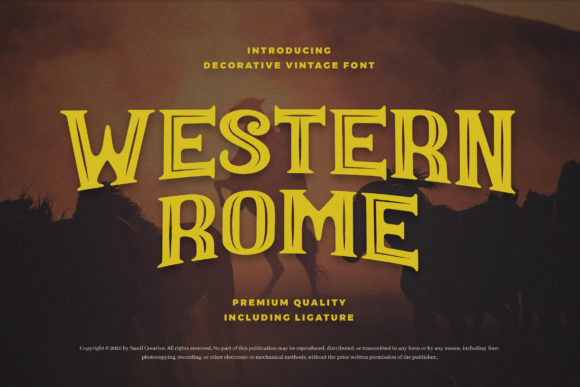
In the ever-evolving world of typography, certain fonts emerge not just as tools for design but as cultural artifacts that carry historical and aesthetic weight. One such font is Western Rome, a bold display font characterized by its vintage touch. This font stands out in digital and print media due to its unique combination of strength and nostalgia. Whether used for branding, headlines, or creative projects, Western Rome offers a distinctive visual identity that can elevate any design.
The Origins and Characteristics of Western Rome
Western Rome is rooted in the typographic traditions of the 19th century, drawing inspiration from classical Roman lettering. Its design is both modern and retro, blending the boldness of contemporary display fonts with the elegance of vintage typography. The font features thick, solid strokes and rounded corners, which give it a sense of warmth and familiarity. These characteristics make it particularly well-suited for use in environments where a strong visual presence is desired without sacrificing readability.
One of the most notable aspects of Western Rome is its ability to convey authority and confidence. The heavy weight of the letters adds a sense of gravitas, making it ideal for titles, logos, and other elements that require immediate attention. At the same time, the font's vintage aesthetic brings a level of charm and character that sets it apart from more sterile, modern typefaces.
Use Cases for Western Rome
Western Rome is versatile enough to be used across a wide range of applications, from digital marketing to print publications. Here are some of the most common use cases:
- Branding and Logo Design: The bold and classic look of Western Rome makes it an excellent choice for brand logos, especially in industries like fashion, hospitality, and entertainment. It conveys reliability and tradition while still feeling fresh and contemporary.
- Headlines and Titles: Because of its strong visual impact, Western Rome is often used for headlines in magazines, websites, and social media content. It commands attention and can help differentiate a piece of content from others.
- Creative Projects: Artists, designers, and writers frequently use Western Rome in their work to add a unique visual element. It can be used in posters, book covers, and even in digital art to create a nostalgic or timeless feel.
- Signage and Wayfinding: In public spaces, Western Rome can be used for signage, wayfinding systems, and directional markers. Its clarity and boldness ensure that information is easily readable at a distance.
Each of these use cases highlights how Western Rome’s blend of strength and vintage charm can be applied in practical ways. Whether you're designing a website, creating a logo, or producing a print publication, this font has the potential to enhance your project’s visual appeal and message.
Advantages of Using Western Rome
There are several key advantages to incorporating Western Rome into your design toolkit:
- Strong Visual Impact: The bold, thick strokes of Western Rome make it highly visible and attention-grabbing. This is particularly useful in digital environments where content needs to stand out amidst competing information.
- Vintage Aesthetic: The font’s retro design appeals to audiences who appreciate a sense of history and craftsmanship. It can evoke feelings of nostalgia and authenticity, which can be powerful in storytelling and branding.
- Readability: Despite its bold appearance, Western Rome maintains good readability, especially when used at appropriate sizes. This makes it suitable for both large-scale displays and smaller text elements.
- Flexibility: The font works well across various mediums, including digital screens, printed materials, and even physical signage. Its adaptability ensures that it can be used in a wide range of contexts.
- Timeless Appeal: While Western Rome has a vintage feel, it remains relevant in modern design. Its balance of old-world charm and contemporary functionality allows it to remain in style without becoming outdated.
These advantages make Western Rome a valuable asset for designers and creators looking to add a unique visual element to their work. Whether you're aiming for a traditional look or a modern twist on vintage design, this font offers a compelling solution.
Considerations When Using Western Rome
While Western Rome has many strengths, there are also some considerations to keep in mind when using it in your projects:
- Contrast with Background: Because of its bold nature, Western Rome requires careful pairing with background colors. It works best on light or dark backgrounds that provide sufficient contrast to maintain readability.
- Font Pairing: To avoid overwhelming the viewer, it's important to pair Western Rome with complementary fonts for body text or secondary elements. A clean sans-serif or serif font can help balance the design.
- Size and Spacing: The font’s thickness means that it may require additional spacing between characters to prevent overcrowding. Proper kerning and leading are essential for maintaining legibility.
- Cultural Context: Since Western Rome draws from classical Roman design, it may not be appropriate for all cultural or contextual settings. Consider the audience and purpose of your design before selecting this font.
- Accessibility: Like any bold font, Western Rome should be used with care in accessibility-sensitive environments. Ensure that it meets standards for readability and contrast for users with visual impairments.
By keeping these considerations in mind, you can effectively incorporate Western Rome into your designs while ensuring that it enhances rather than detracts from the overall experience.
Real-World Examples of Western Rome in Action
To better understand how Western Rome can be applied in practice, let's look at a few real-world examples:
One notable example is its use in branding for luxury fashion houses. Many high-end brands have adopted Western Rome for their logos and packaging, leveraging its boldness and vintage appeal to convey sophistication and heritage. The font helps reinforce the brand’s image as timeless and refined.
Another application is in historical reenactment events and museums, where Western Rome is used for signage and promotional materials. Its retro aesthetic aligns well with the theme of these events, helping to create an immersive experience for visitors.
Additionally, digital marketers and content creators often use Western Rome in their social media posts and video overlays. The font’s strong visual presence makes it ideal for capturing attention in a fast-paced digital landscape.
These examples illustrate how Western Rome can be adapted to different industries and purposes, proving its versatility and effectiveness in a variety of contexts.
Conclusion
Western Rome is more than just a font—it is a design statement. With its bold, vintage-inspired style, it offers a unique combination of strength and charm that can elevate any project. Whether you're designing a logo, crafting a headline, or creating a poster, this font has the potential to make your work stand out in a crowded visual landscape.
By understanding its characteristics, advantages, and considerations, you can confidently incorporate Western Rome into your design workflow. As with any typographic choice, the key is to use it thoughtfully and in alignment with your creative vision. With the right application, Western Rome can become a powerful tool in your design arsenal, helping you communicate your message with clarity, confidence, and style.